Source With Pattern Disposable Facial Tissue Paper for Home Hotel Office
Compare 30 listings for With Pattern Disposable Facial Tissue Paper from suppliers in China. Buyers can evaluate 2 to 5 ply options, virgin wood pulp materials, and customized packaging for personal cleaning care in home, hotel, and office settings.
Key considerations
Products List
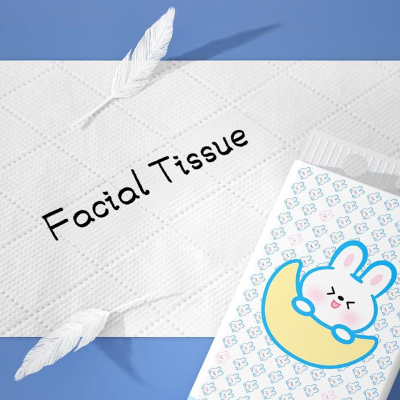


Household Facial Tissue Paper 3 Ply Strong Absorbent Disposable Tissue Paper
$0.12 - $0.26
MOQ: 30000 Pieces

Wholesale Soft Paper Tissue Disposable for Home Bathroom Facial Tissue
$0.08 - $0.14
MOQ: 30000 Pieces


Pocket Tissue Wholesale Facial Tissue Handkerchief Paper Tablet Tissue
$0.35 - $0.37
MOQ: 200000 Pieces


Hot Sale Absorbent Virgin Wood Pulp Soft Skin Caring Facial Tissue Paper
$0.11 - $0.13
MOQ: 20000 Bags


Comprehensive Sourcing Guide
Strategic Sourcing Guide for Patterned Disposable Facial Tissue Paper
The global demand for disposable facial tissue paper has expanded significantly, driven by heightened hygiene awareness and the need for aesthetic consistency in hospitality environments. Among the various sub-segments, patterned disposable facial tissue paper represents a unique intersection of functional utility and brand expression. For procurement professionals, sourcing this specific category requires a nuanced understanding of material composition, manufacturing capabilities, and the specific constraints of customization. This guide provides a disciplined framework for evaluating suppliers and products, ensuring that procurement decisions are grounded in verified attributes rather than marketing assertions.
Technical Specifications and Material Composition
The foundation of any successful procurement strategy for facial tissues lies in the precise definition of technical specifications. When sourcing patterned disposable facial tissue paper, buyers must first verify the core material composition. The industry standard for high-quality disposable tissues is virgin wood pulp, which ensures superior softness and absorbency compared to recycled alternatives. In the context of patterned tissues, the material must be compatible with the printing process used to apply the designs without compromising the structural integrity of the sheet.
A critical specification to evaluate is the ply count. The market offers a range of options, including 2-ply, 3-ply, 4-ply, and even 5-ply configurations. The choice of ply directly influences the tissue's durability and softness. For instance, 4-ply tissues are often preferred for high-end hotel applications where a premium feel is required, while 2-ply or 3-ply options may be more suitable for cost-sensitive retail or travel scenarios. Buyers should confirm the specific ply count required for their application, as this is a primary driver of both cost and performance.
The physical dimensions and packaging format are equally important. Tissues are available in various forms, including standard rolls and specific count packs (e.g., 50-count packs). The net content per unit is another vital metric; specifications often range from 100g to 150g per roll, or 150g to 200g per piece, depending on the product model. The presence or absence of a core is another variable; some products are designed with a core for easy dispensing, while others are coreless to reduce material waste and shipping volume. Additionally, the water solubility of the tissue is a key performance indicator, particularly for applications requiring rapid decomposition or specific disposal protocols. The product must be water-soluble and free from fluorescent agents to meet modern environmental and safety expectations.
Compliance, Certification, and Environmental Standards
In the realm of disposable hygiene products, compliance and certification are not merely bureaucratic hurdles but essential indicators of product safety and quality. Buyers must rigorously verify that the supplier possesses valid eco-certifications. The presence of an "Eco-Friendly Certified" status is a strong indicator that the manufacturing process adheres to specific environmental standards. This certification often implies that the product is free from harmful chemicals, such as fluorescent whitening agents, which can pose health risks and environmental hazards.
The safety profile of the tissue is paramount. Procurement teams should demand evidence that the product is healthy and environmentally friendly. This includes verifying that the paper is free from toxic dyes and that the printing inks used for the patterns are non-toxic and safe for skin contact. The "Fluorescent Agent Free" attribute is a specific claim that must be validated through third-party testing or supplier documentation. Without this verification, the risk of chemical contamination remains a significant liability.
Furthermore, the environmental grade of the material must be confirmed. While "Eco-Friendly" is a common descriptor, buyers should seek concrete data regarding the biodegradability and decomposability of the product. The characteristic of being "Easy to Decompose" is a critical feature for sustainable procurement strategies. Buyers should also check for adherence to relevant industry standards, though specific numerical standard codes should only be cited if explicitly supported by the supplier's documentation. The absence of a specific standard number in public listings does not negate the need for verification; rather, it necessitates a direct inquiry into the supplier's quality assurance protocols.
Cost Drivers and Pricing Dynamics
Understanding the cost structure of patterned disposable facial tissue paper is essential for budgeting and negotiation. The price of these products is influenced by several variables, including the complexity of the pattern, the ply count, the material quality, and the order volume. The observed market price range for such products can vary significantly, from as low as $0.03 to as high as $930, depending on the scale and specifications of the order. This wide range highlights the importance of defining clear requirements before requesting quotes.
The Minimum Order Quantity (MOQ) is a major cost driver. Suppliers often set MOQs based on the complexity of the customization. For standard items, the MOQ might be relatively low, but for fully customized patterned tissues with specific branding, the MOQ can be substantial, potentially reaching 30,000 packs or more. Buyers must balance the need for customization with the financial implications of high MOQs. Additionally, the packaging method affects costs; customized packing solutions, such as individual rolls or specific pack configurations (e.g., 4 rolls per pack), may incur additional setup and material fees.
Lead times and shipping logistics also contribute to the total cost of ownership. Products originating from specific regions, such as Liaoning, China, or Zhucheng, may have different shipping profiles compared to local manufacturers. Buyers should account for these logistical factors when calculating the final landed cost. It is crucial to request detailed breakdowns of costs, including material, printing, packaging, and shipping, to ensure transparency and avoid hidden fees.
Typical Applications and Usage Scenarios
Patterned disposable facial tissue paper serves a diverse range of applications, from personal care to commercial hospitality. The versatility of the product allows it to be tailored to specific environments. In the hotel and office sectors, these tissues are often used for personal cleaning and care, providing a touch of elegance through their patterns. The "Hanging tissue" style is particularly popular in restrooms, where space efficiency and ease of access are critical. The pattern can be used to reinforce brand identity or simply to enhance the aesthetic appeal of the facility.
For household use, the focus shifts towards softness and absorbency. The product's characteristic of being "Soft, Absorbent and Easy to Decompose" makes it ideal for daily cleaning tasks. In travel and sports scenarios, the compact nature of the tissue, often in the form of rolls or small packs, makes it a convenient choice for on-the-go hygiene. The "Without Flavor" attribute is generally preferred for these applications to avoid irritation or unwanted scents.
The application scenario also dictates the required durability. For instance, tissues used in high-traffic areas like airports or stadiums may require higher tensile strength and wet strength resistance to prevent tearing during use. The "Not Easy to Break" characteristic is a valuable feature for these demanding environments. Buyers should align the product specifications with the intended usage scenario to ensure optimal performance and customer satisfaction.
Supplier Evaluation and Quality Control
Selecting the right supplier is a critical step in the procurement process. Buyers should evaluate potential suppliers based on their ability to meet the specific technical and compliance requirements outlined above. Key evaluation criteria include the supplier's experience with patterned printing, their quality control processes, and their capacity to handle large order volumes. The ability to provide customized logos and colors is a significant advantage for buyers seeking to brand their products.
Quality control measures should be robust and transparent. Buyers should inquire about the supplier's testing protocols for softness, absorbency, and tensile strength. The "Ultra Soft" and "High Absorbent" attributes should be verified through sample testing rather than relying solely on supplier claims. Additionally, the consistency of the pattern and the color accuracy are vital for maintaining brand integrity. Buyers should request samples that match the exact specifications before placing a large order.
The supplier's location and production capacity are also important factors. Suppliers located in established manufacturing hubs, such as Liaoning or Zhucheng, may offer more competitive pricing and reliable supply chains. However, buyers should verify the supplier's ability to meet delivery schedules and handle any potential disruptions. A reliable supplier will have a clear communication channel and a proactive approach to problem-solving.
Long-Term Procurement Considerations
Sourcing patterned disposable facial tissue paper is not just a one-time transaction but a long-term partnership. Buyers should consider the scalability of the supplier's operations and their ability to adapt to changing market demands. As sustainability becomes a more prominent concern, the demand for eco-friendly and biodegradable products is likely to increase. Suppliers who can demonstrate a commitment to environmental responsibility and continuous improvement will be better positioned to meet future needs.
The flexibility of the product line is another consideration. Buyers should look for suppliers who can offer a range of ply counts, sizes, and packaging options to accommodate different market segments. The ability to customize the product, including the pattern, color, and logo, allows buyers to differentiate their offerings and respond to consumer preferences.
Finally, buyers should establish clear performance metrics and review mechanisms with their suppliers. Regular audits and feedback loops can help ensure that the product quality remains consistent over time. By focusing on long-term relationships and continuous improvement, buyers can secure a reliable supply of high-quality patterned disposable facial tissue paper that meets their evolving needs.
FAQs
What material is used for patterned disposable facial tissue paper?
The product is made from virgin wood pulp to ensure superior softness and absorbency. This material is compatible with printing processes for patterns while maintaining structural integrity and meeting eco-friendly standards.
Which ply counts are available for these tissues?
Buyers can select from 2-ply, 3-ply, 4-ply, or 5-ply configurations depending on their needs. Higher ply counts like 4-ply are often preferred for premium hotel applications requiring a softer feel.
Can I customize the logo and color on these tissues?
Yes, customized logos and colors are acceptable and available for these products. Suppliers offer flexible customization options to help buyers reinforce brand identity or match specific aesthetic requirements for their facilities.
What is the minimum order quantity for customized packs?
The minimum order quantity can reach 30,000 packs for fully customized orders. Buyers must balance their need for specific branding and patterns against the financial implications of these substantial volume requirements.
Are these tissues free from harmful fluorescent agents?
Yes, the product is certified as free from fluorescent agents to ensure safety. This attribute is critical for meeting modern environmental and health expectations while maintaining a healthy profile for skin contact.
Where are these patterned tissues manufactured?
The products originate from manufacturing hubs in Liaoning, China, and Zhucheng. These locations are established production centers that offer competitive pricing and reliable supply chains for bulk procurement.
What are the typical applications for these tissues?
They are suitable for hotels, offices, households, travel, and sports scenarios. The versatile design supports personal cleaning care while offering aesthetic consistency for hospitality environments and convenience for daily use.